

5 Best Essential Oils for Relaxation
Table of Contents
- 1. Lavender: The Calming Classic
- 2. Chamomile: Gentle Sleep Support
- 3. Bergamot: Mood-Lifting Citrus
- 4. Frankincense: Grounding & Meditative
- 5. Ylang Ylang: Sensual Stress Relief
- How to Use Essential Oils for Stress
- Essential Oil Safety Guidelines
- Essential Oil Blending Guide for Beginners
- Frequently Asked Questions
Last Updated: September 21, 2026
1. Lavender: The Calming Classic
Lavender is the most widely used oil for essential oils relaxation, and for good reason. Its soothing properties have made it a staple in wellness routines for centuries. If you're new to essential oils for relaxation, lavender is the logical starting point.
The oil works by promoting a sense of calm and reducing mental chatter. Many people find that diffusing lavender in their bedroom before sleep helps them drift off more easily. It's also effective when applied topically (always diluted in a carrier oil) to pulse points like the wrists or behind the ears.
What makes lavender stand out is its versatility. You can use it in a diffuser, add it to bathwater, or even place a drop on your pillow. The scent is gentle enough for daily use without becoming cloying. For those working from home or managing stress during the day, lavender offers a non-intrusive way to create a calming atmosphere without disrupting focus.
2. Chamomile: Gentle Sleep Support
Chamomile essential oil is particularly effective for evening relaxation and sleep preparation. Unlike lavender, which works well throughout the day, chamomile has a softer, more sedative quality that makes it ideal for winding down before bed.
The oil carries a warm, apple-like scent that feels comforting rather than stimulating. Many people find it helpful for quieting racing thoughts and easing tension in the shoulders and neck. When diffused for 20-30 minutes before bedtime, it creates an environment conducive to rest.
Chamomile pairs exceptionally well with other calming oils. It's also gentler on sensitive skin than some alternatives, making it suitable for those with reactive skin when properly diluted. The key is using it consistently, regular use tends to produce better results than occasional applications.
3. Bergamot: Mood-Lifting Citrus
Bergamot brings something different to the relaxation conversation. This citrus oil lifts mood whilst simultaneously calming anxiety, a rare combination that makes it valuable for those dealing with stress-related low mood.
The scent is bright and uplifting, with a subtle floral undertone. Unlike heavier oils, bergamot energises whilst grounding. This makes it particularly useful during afternoon slumps or when you need to feel more present without becoming jittery. Many professionals use it in their workspace to maintain focus and emotional balance simultaneously.
Bergamot does require one important precaution: it can increase photosensitivity if applied to skin before sun exposure. For this reason, it's best used in a diffuser rather than applied topically during daylight hours. Evening use or diffusing indoors poses no risk.
4. Frankincense: Grounding & Meditative
Frankincense has a deeper, more contemplative quality than the other oils on this list. Its woody, slightly spicy aroma creates a grounding effect that's particularly valuable during meditation or mindfulness practice.
This oil is often associated with spiritual and meditative traditions. The scent encourages slower breathing and a shift towards introspection. If you're looking for essential oils relaxation that supports mental clarity alongside calm, frankincense delivers both. It's also less likely to cause sensory fatigue, meaning you can use it regularly without the scent becoming invisible to you.
Frankincense blends exceptionally well with lavender and chamomile. Many people create evening blends that combine frankincense with one of these oils for a more complex, grounding effect. It's also one of the more expensive oils, so using it in blends stretches your supply further.
5. Ylang Ylang: Sensual Stress Relief
Ylang ylang offers a different approach to relaxation, one that's more sensual and emotionally warming. The oil has a rich, floral scent with subtle sweetness that many find deeply comforting.
This oil is particularly effective for stress relief that involves emotional tension or feelings of disconnection. It encourages a sense of self-compassion and ease in the body. The warmth of ylang ylang makes it especially popular during colder months or when you need to feel more grounded in your own skin.
A word of caution: ylang ylang is potent. A little goes a long way. Using too much can feel overwhelming rather than relaxing. Start with 2-3 drops in a diffuser and adjust upward if needed. It also blends beautifully with carrier oils like jojoba or coconut oil if you're applying it topically.
How to Use Essential Oils for Stress
The most effective method depends on your situation and preferences. Diffusing is the simplest approach, add 3-5 drops to a water-based diffuser and run it for 20-30 minutes. This disperses the oil throughout a room without direct skin contact.
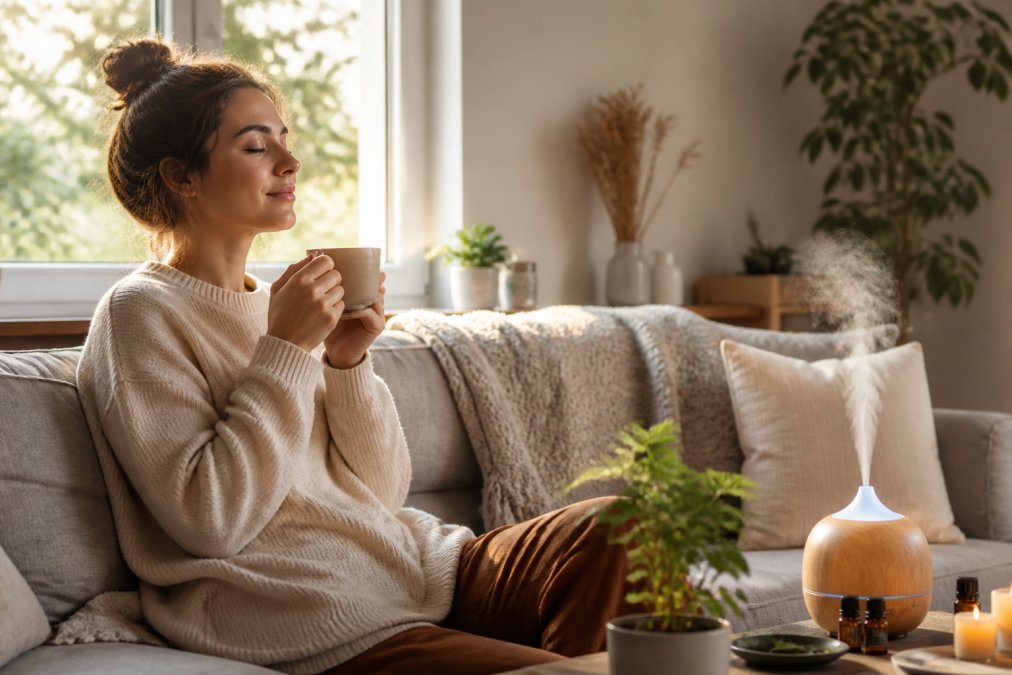
For personal use, dilute essential oils in a carrier oil before applying to skin. A typical dilution is 2-3 drops of essential oil per 5 millilitres of carrier oil. Apply to pulse points, wrists, behind ears, or the back of the neck, where body heat will gently warm the oil and release its aroma.
Mulberry Silk Light Blocking Sleep →
Inhalation is another powerful method. Add a few drops to a bowl of hot water, drape a towel over your head, and breathe deeply for 5-10 minutes. This concentrates the vapours and can be particularly effective for stress relief, though it's not suitable if you have respiratory sensitivities.
Many people find that creating a consistent ritual around essential oil use amplifies the benefits. Whether it's diffusing whilst you prepare for bed or applying diluted oil as part of a morning routine, consistency matters more than occasional use.
| Method | Best For | Duration | Precautions |
|---|---|---|---|
| Diffusing | Whole-room relaxation | 20-30 minutes | Ensure room ventilation |
| Topical (diluted) | Personal use, portable | 4-6 hours | Always dilute first |
| Inhalation | Immediate stress relief | 5-10 minutes | Avoid if respiratory sensitive |
| Bath soak | Full-body relaxation | 15-20 minutes | Dilute in carrier oil first |
Essential Oil Safety Guidelines
Essential oils are potent plant extracts and require respectful handling. Never apply undiluted essential oil directly to skin, this can cause irritation or sensitisation over time. Always mix with a carrier oil like jojoba, coconut, or almond oil before topical application.
Avoid ingesting essential oils unless under guidance from a qualified practitioner. The digestive system processes concentrated plant compounds differently from inhalation or topical application. Ingestion carries real risks, particularly for those with certain health conditions or taking medications.
Store essential oils in dark glass bottles away from direct sunlight and heat. Most oils remain stable for 1-2 years when stored properly. Citrus oils like bergamot oxidise more quickly, so use them within 6-12 months of opening.
If you're pregnant, nursing, or have a medical condition, consult a healthcare professional before using essential oils. Certain oils are not recommended during pregnancy. Similarly, if you're taking medications, some essential oils can interact with them.
Keep essential oils away from children and pets. Many oils that are safe for adults can be harmful to animals. Children's developing systems are also more sensitive to concentrated plant extracts.
Essential Oil Blending Guide for Beginners
Blending creates more complex, personalised aromatherapy experiences. Start with a simple 3-oil blend: a base note (grounding), a heart note (balancing), and a top note (uplifting).
For a calming evening blend, try: 3 drops frankincense (base), 2 drops lavender (heart), and 1 drop chamomile (top). Adjust proportions based on which scent you prefer to dominate. If you want more chamomile, increase it to 2 drops and reduce frankincense to 2 drops.
Keep a notebook of your blends. Write down the oils, quantities, and how you felt when using them. Over time, you'll develop a sense of which combinations work best for your stress response. Some people favour heavier, more grounding blends, whilst others prefer lighter, more uplifting combinations.
Start with small quantities, no more than 10 millilitres of blended oil at a time. This prevents waste if a blend doesn't resonate with you. Once you've found combinations you love, you can scale up production.
Blending is also an economical approach. Rather than buying five separate diffuser bottles, you can create multiple blends from a few core oils, stretching your investment further.
Finding the right essential oils for relaxation often requires some experimentation.
Frequently Asked Questions
Which essential oil is best for deep relaxation?
Lavender is widely considered the most effective essential oil for deep relaxation. Its calming properties work quickly when diffused or applied topically (diluted). Frankincense and chamomile are also excellent choices for profound relaxation, especially before sleep. The best option depends on your preference, some people respond better to floral scents, whilst others prefer woody or herbal aromas. Start with lavender if you're new to essential oils for relaxation.
How do I use essential oils for stress safely?
Always dilute essential oils before applying to skin, mix 2-3 drops with a carrier oil like coconut or jojoba oil. For diffusing, use a proper diffuser and follow manufacturer instructions. Never ingest essential oils. Keep them away from children and pets. Start with short diffusion sessions (15-20 minutes) to test your response. If you're pregnant, nursing, or taking medication, consult a healthcare professional before use. Store oils in dark glass bottles away from direct sunlight.
Can I mix essential oils for better relaxation?
Yes, blending essential oils can enhance relaxation when done correctly. A beginner-friendly blend might combine 3 drops lavender, 2 drops chamomile, and 1 drop bergamot in a diffuser. Another calming mix uses lavender, frankincense, and ylang ylang in equal proportions. Always start with small amounts and adjust to your preference. Never blend more than 4-5 oils together, as this can become overwhelming. Keep notes on blends you enjoy so you can recreate them.
Are essential oils effective for reducing stress?
Many people find essential oils helpful for stress relief, particularly through aromatherapy diffusion or topical application. Lavender, chamomile, and bergamot have been traditionally used for relaxation. However, essential oils work best as part of a broader wellness routine that includes good sleep, exercise, and mindfulness. They're most effective when you're already in a relaxed environment. Results vary by individual, some notice immediate calm, whilst others benefit from regular use over time.