

How to Find Ethical Gifts: A Practical Guide
Table of Contents
- What Makes a Gift Truly Ethical
- How to Spot Greenwashing in Gift Retail
- Key Certifications and Standards to Look For
- Best Ethical Gift Shops Worth Shopping From
- Sustainable Gift Ideas for 2025
- Practical Questions to Ask Before You Buy
- Frequently Asked Questions
Last Updated: 3 October 2026
What Makes a Gift Truly Ethical
An ethical gift is one that considers the impact on people, the environment, and communities throughout its entire journey, from how it's made to who profits from its sale. It's not just about the product itself. It's about the values behind it.
Ethical gifts typically share three key qualities. First, they're produced fairly, meaning workers receive proper wages and work in safe conditions. Second, they minimise environmental harm through sustainable materials, responsible sourcing, or minimal packaging. Third, they often support communities or causes, whether through fair-trade partnerships, charitable donations, or supporting small independent makers.
The challenge is that many retailers now claim to be "ethical" without backing it up. Some slap a green label on a product and call it sustainable. Others use vague language that sounds good but means nothing. That's where greenwashing comes in, and it's everywhere.
At Inspree, we understand that gift-giving should feel good from start to finish. When you choose an ethical gift, you're not just giving something beautiful. You're giving something with purpose. You're supporting the values you actually care about.
How to Spot Greenwashing in Gift Retail
Greenwashing happens when a company uses environmental or ethical claims to appear more responsible than it actually is. A gift might look sustainable on the surface, but the reality is often different.
Common greenwashing tactics include using buzzwords like "natural," "eco-friendly," or "sustainable" without any certification to back them up. These words sound great but have no legal definition. Another trick is showing a single green initiative, like a recycling programme, while ignoring bigger environmental problems in production.
Watch out for vague language too. "Made with recycled materials" could mean 5% recycled content. "Sourced responsibly" tells you nothing about labour practices. "Eco-conscious packaging" might just mean slightly thinner plastic.
Look for specificity instead. Ethical brands tell you exactly what percentage of materials are recycled, which certifications they hold, and how workers are treated. They're transparent about their supply chain.
Key Certifications and Standards to Look For
Certifications matter because they're verified by independent organisations. They're not just marketing claims, they're backed by audits and standards.
Fair Trade certification ensures workers in developing countries earn fair wages and work in safe conditions. Look for the Fair Trade logo on gifts, particularly chocolate, coffee, or crafted items.
B Corp certification means the company meets high standards for social and environmental performance. B Corps are legally required to consider the impact on all stakeholders, not just shareholders.
Organic certification (such as GOTS for textiles) confirms that materials were grown without synthetic pesticides or fertilisers. This matters for clothing, home goods, and personal care items.
FSC certification on wood or paper products means the forest was managed responsibly. This prevents deforestation and protects ecosystems.
Leaping Bunny certification guarantees that a product and its ingredients weren't tested on animals. It's the gold standard for cruelty-free cosmetics and personal care.
Other useful labels include Rainforest Alliance, which protects biodiversity and worker rights, and EU Ecolabel, which confirms environmental credentials across the product's entire lifecycle.
The key is recognising that real certifications require ongoing compliance. Companies must be audited regularly. That's why certified products often cost more, certification is expensive, but it's also proof.
Best Ethical Gift Shops Worth Shopping From
Finding ethical gifts is easier when you shop from retailers that do the curation work for you. These shops have already vetted their suppliers and products.
Independent ethical retailers often stock handcrafted items from small makers and fair-trade producers. They typically focus on quality over quantity, which means fewer products but better stories behind each one. Many prioritise transparency, you'll find detailed information about makers, materials, and impact.
Online ethical marketplaces have grown significantly. They connect consumers directly with artisans and sustainable producers. Many offer filtering by certification, material type, or impact category, making it simple to find what you're looking for.
High street retailers are catching up too. Mainstream shops now dedicate sections to ethical gifts. The advantage is convenience and variety, though you'll still need to check individual product certifications rather than trusting the shop's curation entirely.
When you're shopping, Inspree's curated approach means we've already filtered for quality and purpose. Our range focuses on products that solve real problems whilst respecting people and the planet.
Look for shops that:
- Display maker information prominently
- Link to certifications on product pages
- Explain their sourcing choices
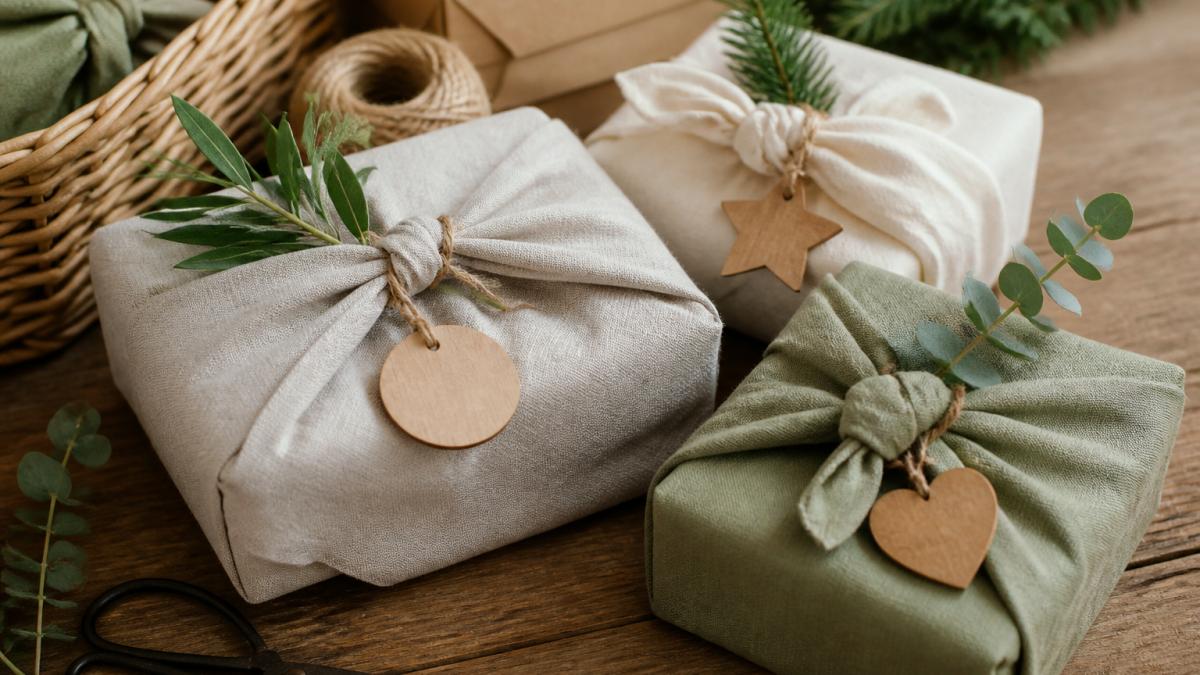
- Offer sustainable packaging as standard
- Have clear return and refund policies
Sustainable Gift Ideas for 2025
Sustainable gifts work across budgets and preferences. The key is choosing items that last, get used, and reflect the recipient's values.
Reusable items make excellent ethical gifts because they reduce waste over time. Bamboo cutlery sets, stainless steel water bottles, organic cotton tea towels, and beeswax food wraps all replace single-use alternatives. They're practical, beautiful, and genuinely useful.
Experiences are inherently sustainable because they create memories without physical waste. Gift vouchers for local restaurants, massage treatments, workshops, or adventure activities often have lower environmental impact than physical products.
Handcrafted goods from artisans support small makers and traditional skills. Pottery, jewellery, textiles, and woodcraft items are often made locally, reducing transport emissions. They're unique, which means the recipient receives something one-of-a-kind.
Plant-based and organic personal care products are growing in quality and variety. Natural soaps, organic skincare, plant-based candles, and sustainable grooming kits appeal to people who care about what goes on their skin.
Books and educational items encourage learning without waste. Subscription boxes for audiobooks, skill-building courses, or curated reads support sustainable consumption patterns.
Refurbished or vintage items have zero manufacturing impact. Vintage jewellery, pre-owned designer bags, refurbished electronics, and antique home goods appeal to environmentally conscious recipients who value uniqueness.
The best sustainable gifts are ones the recipient will actually use. A beautiful but unused item creates waste. Choose gifts that match the person's lifestyle and interests first, then verify they're ethical.
Practical Questions to Ask Before You Buy
Before you commit to an ethical gift, ask yourself these questions. They'll help you avoid greenwashing and make confident choices.
Where is this made? A specific country or region is good. "Overseas" or "multiple locations" without detail is vague. Ethical brands know exactly where production happens.
Who made this? Can you find information about the workers, artisans, or manufacturer? Real ethical companies share maker stories, names, and faces.
What's it made from? Look for natural, recycled, or certified sustainable materials. Check percentages, "made with recycled materials" could mean mostly virgin plastic.
How is it packaged? Minimal, recyclable, or compostable packaging is a sign of genuine commitment. Excessive plastic wrapping contradicts ethical claims.
Does it have certification? Check for Fair Trade, B Corp, Organic, FSC, or Leaping Bunny logos. These are third-party verification, not self-claims.
What's the price? Ethical products typically cost more because fair wages and sustainable practices aren't cheap. If the price seems too low for the quality, something's probably wrong.
Can I return it? Ethical retailers stand behind their products. Clear return policies show confidence in quality and give you peace of mind.
Will the recipient use it? This is the most important question. An unwanted gift, no matter how ethical, creates waste.
Finding ethical gifts takes a bit more thought than grabbing something from a supermarket shelf. But that extra effort pays off. You're giving something that feels good to receive and good to give.
The challenge is navigating claims, certifications, and greenwashing. That's where retailers like Inspree come in. We've done the vetting work so you don't have to. Our curated range focuses on products that solve real problems whilst respecting people and the planet. Secure UK shipping, tracked & insured delivery, and SSL encrypted checkout mean your gift arrives safely and your data stays protected. When you shop with intention, every gift becomes a statement of your values.
Frequently Asked Questions
What makes a gift truly ethical?
An ethical gift considers the people who made it, the environment it came from, and its impact after purchase. Look for items made fairly (workers paid properly, safe conditions), from sustainable materials, with minimal packaging waste, and produced by companies transparent about their supply chain. Ethical gifts often support small businesses, fair trade producers, or charities rather than mass-market retailers exploiting labour or resources.
How can I identify greenwashing when shopping for ethical gifts?
Greenwashing happens when companies use vague language like 'eco-friendly' or 'natural' without real proof. Check for specific certifications (FSC, Fair Trade, B Corp), not just marketing claims. Be sceptical of brands that highlight one green feature while hiding the rest of their practices. Ask whether the company publishes its supply chain information, worker conditions, or environmental impact reports. Genuine ethical brands are transparent; greenwashers rely on pretty packaging and buzzwords.
What certifications should I look for when buying ethical gifts?
Key certifications include Fair Trade (ensures workers earn fair wages), FSC (Forest Stewardship Council for responsibly sourced wood and paper), B Corp (verified social and environmental performance), and GOTS (Global Organic Textile Standard for organic fabrics). These are third-party verified, not self-awarded claims. Check the product description or company website for these logos. Certifications aren't perfect, but they're far more reliable than unsubstantiated marketing language.
Where can I find affordable ethical gifts without spending a fortune?
Ethical doesn't mean expensive. Look for smaller independent retailers, fair trade cooperatives, and charity shops selling new stock. Consider experiences (workshop vouchers, memberships) rather than physical items. Handmade gifts from online platforms with verified ethical sellers can be affordable and unique. Shop during sales at ethical retailers, buy in bulk for multiple gifts, and remember that quality items last longer, making them better value than cheap alternatives you'll replace frequently.