

Are Weighted Blankets Worth It for Sleep?
Table of Contents
- What Weighted Blankets Do for Sleep
- The Science Behind Weighted Blankets and Better Rest
- Weighted Blanket Weight Guide: Choosing the Right Size
- Weighted Blankets for Insomnia: Do They Really Help?
- Potential Drawbacks and Who Should Avoid Them
- How to Wash a Weighted Blanket and Keep It Fresh
- Is a Weighted Blanket Worth the Investment?
- Frequently Asked Questions
Last Updated: September 25, 2026
What Weighted Blankets Do for Sleep
A weighted blanket is a therapeutic blanket filled with glass beads or pellets that add significant weight, typically ranging from 2 to 15 kilograms, designed to improve sleep quality by applying gentle, distributed pressure across your body. The added mass applies gentle, distributed pressure across your body whilst you sleep. Many people find this sensation calming and report falling asleep more easily and staying asleep longer throughout the night.
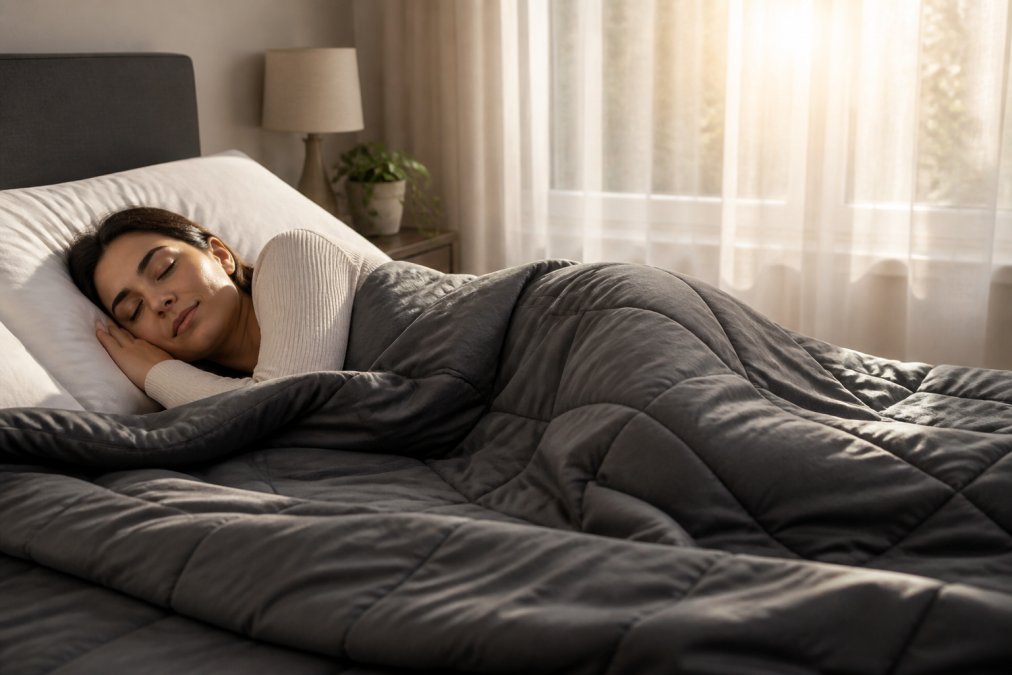
The pressure from a weighted blanket is intended to create what's known as deep pressure stimulation. This gentle compression across your torso and limbs may help reduce physical restlessness and promote a sense of security. For individuals who struggle with racing thoughts or physical tension at bedtime, the weight can feel grounding rather than restrictive.
What makes a weighted blanket worth considering is the simplicity of use. Unlike other sleep interventions that require routine changes or equipment setup, you simply use it like any other blanket. There's no app to monitor, no prescription required, and no complicated instructions. At Inspree, customers appreciate how straightforward this approach is, it integrates seamlessly into an existing sleep routine.
The blanket's effectiveness varies significantly from person to person. Some individuals report noticing improvements within the first few nights, whilst others need a week or two to adjust to the sensation. A few people find the weight uncomfortable regardless of how long they try.
The Science Behind Weighted Blankets and Better Rest
The theory behind weighted blankets centres on deep pressure stimulation activating the parasympathetic nervous system, your body's natural "rest and digest" mode (Checking your browser). When pressure is applied evenly across your body, it may trigger a relaxation response similar to the feeling of being held or hugged.
Research into this mechanism has been ongoing for years, particularly in therapeutic contexts. The concept isn't new; weighted vests and compression garments have been used in occupational therapy for decades. A weighted blanket applies the same principle during sleep, when you're stationary and can benefit from sustained pressure.
Some individuals experience reduced cortisol levels (your body's stress hormone) when using weighted blankets, which could theoretically support better sleep quality. Others report decreased heart rate variability and lower blood pressure during sleep. These physiological shifts would logically support deeper, more restorative rest.
The mechanism also involves proprioceptive feedback, your body's awareness of its position in space. The weight provides constant sensory input that can quiet an overactive mind. For people whose sleep difficulties stem from anxiety or racing thoughts rather than physical discomfort, this sensory grounding can be genuinely helpful.
However, the science isn't universally conclusive. Individual responses vary widely, and what works powerfully for one person may have minimal effect on another. Your nervous system's sensitivity to pressure, your baseline stress levels, and even your personal preferences around bedding all influence whether a weighted blanket will improve your sleep.
Weighted Blanket Weight Guide: Choosing the Right Size
Selecting the correct weight is the single most important decision when considering a weighted blanket. The standard recommendation is 10% of your body weight, though some people prefer slightly lighter or heavier options depending on personal preference.
Here's a practical sizing guide:
| Body Weight | Recommended Blanket Weight | Alternative Range |
|---|---|---|
| Up to 50 kg | 2.5-5 kg | 2-6 kg |
| 50-75 kg | 5-7.5 kg | 4.5-9 kg |
| 75-100 kg | 7.5-10 kg | 6.5-11 kg |
| 100+ kg | 10-15 kg | 9-15 kg |
Starting with the 10% recommendation makes sense because it's the most researched starting point. If you find it too light after a week, moving up one weight category is reasonable. If it feels too heavy, going down is equally valid.
Weight distribution also matters. A blanket that's too heavy for your frame can feel restrictive, especially around the chest and shoulders. Conversely, a blanket that's too light won't provide enough sensation to trigger the relaxation response you're seeking. The pressure should feel like a gentle, even embrace, not a burden.
Consider your sleeping position as well. Side sleepers often prefer slightly lighter blankets because weight concentrates unevenly. Back sleepers typically find the standard 10% weight most effective. Stomach sleepers may find any weighted blanket uncomfortable due to chest compression.
SootheStep™ Electric Wearable Blanket →
Weighted Blankets for Insomnia: Do They Really Help?
For people with insomnia, the question of whether weighted blankets help you sleep better depends largely on what's driving the insomnia. If your sleep difficulties stem from anxiety, racing thoughts, or physical restlessness, a weighted blanket may offer genuine relief. If your insomnia is caused by pain, hormonal changes, or circadian rhythm disorders, a blanket alone won't solve the problem.
Many individuals with anxiety-related insomnia report that the grounding sensation of a weighted blanket helps them fall asleep more quickly. The pressure provides a focal point for attention, interrupting the thought spirals that keep anxious minds awake. This is particularly true for people whose insomnia involves physical tension, the blanket's weight can ease that tension and promote relaxation.
The effectiveness for insomnia also depends on how long you've had the condition. Recent-onset insomnia (weeks or a few months) may respond better to a weighted blanket than chronic insomnia (years). Your brain's learned sleep patterns matter, and a blanket alone may not override deeply ingrained sleep difficulties without additional support.
A weighted blanket works best as part of a broader sleep strategy rather than a standalone cure. Combining it with consistent sleep timing, a cool bedroom, and reduced screen time before bed creates an environment where the blanket's benefits are more likely to emerge. Think of it as one tool in a toolkit, not the entire solution.
Potential Drawbacks and Who Should Avoid Them
Weighted blankets aren't suitable for everyone, and understanding the limitations is as important as knowing the benefits. Certain conditions and circumstances make them genuinely problematic rather than simply ineffective.
People with claustrophobia or anxiety around restriction often find weighted blankets triggering rather than calming. The sensation of being held, which soothes some, can amplify anxiety in others. If you've experienced panic attacks or have sensory processing sensitivities, a weighted blanket may worsen your symptoms rather than improve them.
Temperature regulation is a real concern. Weighted blankets trap more heat than standard bedding because their density reduces airflow. For people who sleep hot or live in warm climates, this can make sleep worse rather than better.
How to Wash a Weighted Blanket and Keep It Fresh
Maintaining your weighted blanket properly extends its lifespan and keeps it hygienic. Most weighted blankets can't go in a standard washing machine because the weight and moisture can create problems. Understanding the correct care method is essential.
Is a Weighted Blanket Worth the Investment?
Whether a weighted blanket is worth buying depends on your specific sleep challenges and budget. For someone struggling with anxiety-related insomnia or physical restlessness, the investment can pay dividends in sleep quality and daytime functioning. For someone whose sleep is already reasonable, the cost may be harder to justify.
Frequently Asked Questions
Do weighted blankets actually help with sleep and anxiety?
Weighted blankets may help some people sleep better by providing gentle pressure that promotes relaxation. Many users report feeling calmer and falling asleep more easily. However, results vary by individual. Some find them helpful for reducing anxiety-related restlessness, while others notice little difference. Quality sleep depends on many factors including room temperature, noise levels, and your personal comfort preferences, so a weighted blanket works best as part of a broader sleep routine.
What weight should my weighted blanket be according to a weighted blanket weight guide?
A common rule is to choose a blanket weighing 10% of your body weight. For example, if you weigh 70 kg, aim for a 7 kg blanket. This range typically provides the right amount of pressure without feeling restrictive. However, personal preference matters, some people prefer slightly lighter or heavier options. Start with the 10% guideline and adjust based on comfort. If you share a bed, consider two separate blankets so each person gets their ideal weight.
Can weighted blankets help with insomnia?
Weighted blankets may support better sleep for some people with insomnia by reducing the restlessness that comes from racing thoughts or anxiety. The gentle pressure can help you feel more grounded and secure, making it easier to settle into sleep. That said, insomnia often has multiple causes, stress, poor sleep habits, or underlying health conditions, so a weighted blanket alone may not solve it. Combining one with good sleep hygiene, consistent bedtimes, and a dark, cool bedroom gives you the best chance of improvement.
How do I wash a weighted blanket properly?
Check your blanket's care label first, as washing depends on its materials and filling. Most can be machine washed on a gentle cycle with cold water and mild detergent. Dry on low heat or air-dry. Never dry clean unless the label says so. Regular washing keeps your blanket fresh and hygienic. If your blanket has a removable cover, you can wash that separately more frequently to extend the life of the main blanket.
Are there downsides to using a weighted blanket every night?
Most people can safely use weighted blankets nightly without issues. However, some experience overheating, especially in warm weather or if the blanket is too heavy. A few users find them restrictive or uncomfortable. If you have circulation problems, respiratory issues, or claustrophobia, consult a healthcare professional before regular use. Start by using your blanket for short periods to see how your body responds, then gradually increase usage if it feels comfortable. Pairing it with breathable bedding helps manage temperature.